Integrate Marketing Channels
Different channels have different strengths and weaknesses, and different types of content suit different channels better:
Twitter is good for short, witty and pithy messages, whilst Pinterest is great for content related to design, and aspirational content works best on Instagram. So why not play to each individual channel's strengths and design marketing for that channel specifically, rather than attempting to integrate all channels?
The answer is customers don't care enough to pay attention to all your different messaging, and by not using one clear communications strategy to amplify your brand, your message will simply be lost in the constant stream of content that all consumers are subject to every day. For example, the brand storytelling report showed that 85% of consumers couldn't name a memorable story told to them by a brand.
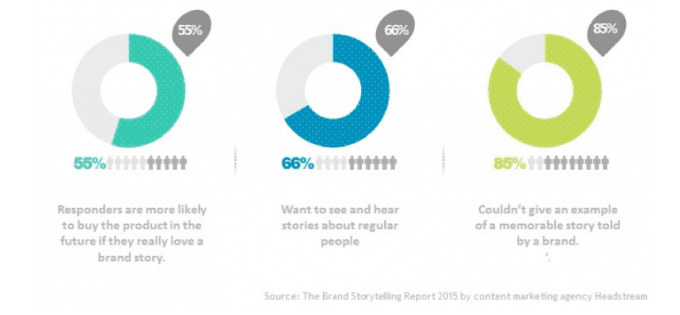
That means all of the thousands of brand's storytelling efforts were completely forgotten by over four out of five people. You may think your marketing is the best thing in the world, but the reality is pretty much everyone is going to forget it very quickly. To make an impact you have to coordinate messaging. Have you ever wondered why McDonald's are constantly advertising? Everyone knows who McDonald's are. Everyone knows what McDonald's offer and there is one on every street corner. So why do they advertise? Because there is power in reminding consumers about your brand, even if they already know that it exists. And of course, they may want to change the perception of its values and what it offers. This is why consistent messaging across channels is so critical. Without it, your message will fail to make an impact and you will just be yelling into a gale.
Compare the market's use of TV-
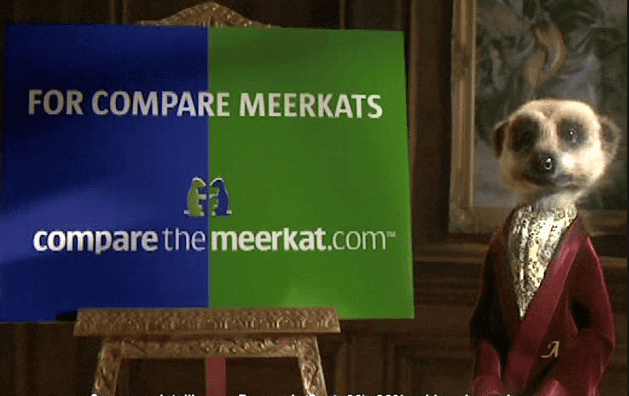

Compare the market's use of outdoor-


By using the same set of characters across all mediums, compare the market have successfully integrated all their marketing channels and managed to create one of the most memorable and long-lasting ad campaigns of all time.
Another great example of an integrated marketing campaign is Coke's 'share a coke with' campaign, which used unified messaging across TV, Social, Outdoor and Display leading to a 7% uplift in Coke consumption by the target demographic, making it one of the most successful Coke campaigns in history. 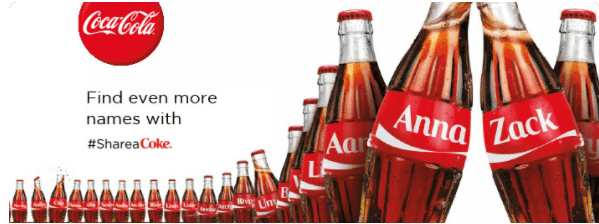
Example of poorly integrated marketing:
Integrated marketing is hard to get right, and whilst all big brands attempt it, not all succeed. Even multi-billion dollar brands like Intel get it wrong. We looked at their website and social media channels, and not only did they not match at all in terms of messaging, neither featured Intel's official slogan. What's the point of having a slogan if you don't use it?
How to develop a successful integrated marketing strategy-
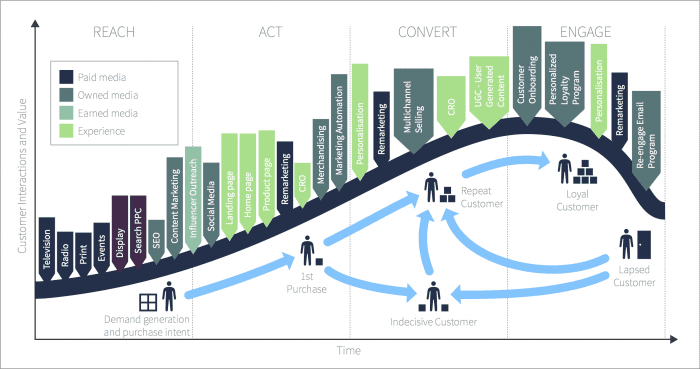
Intel's failure shows it's hard to get integrated marketing right, given even huge brands manage to make a right mess of it. To successfully integrate your marketing so all channels are pulling in the same direction, you need to plot all customer touch points with your brand across the customer lifecycle. This lets you form a list of channels you'll need to integrate and align with the same messaging. Our integrated lifecycle marketing diagram below should help you consider options such as retargeting. It plots 26 marketing channels and activities across the customer lifecycle. Click on the diagram for an enlarged version.
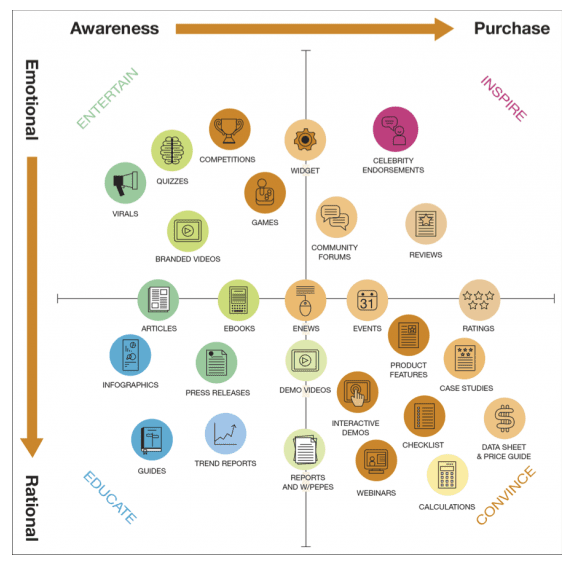
Aligning your messaging across all forms of content marketing is also crucial, in case certain content types not chime with the overall brand. Here you can use our content marketing matrix to see what types of content you can use and again create a checklist of mediums that you need to assure the messaging is aligned across.

Comments
Post a Comment